
Community Study Halls
history
Community Study Halls (CSHs) are public conversations for dance workers to gather and connect about shared values specific to cultivating healthy, equitable, and ethical workplaces in the professional dance field. CSHs are designed to be places where dancers and people who hire dancers can speak frankly about the equitable hiring practices, working conditions they desire, and how to make them a reality. The conversations are facilitated to balance the serious issues and emotions that arise with humor, levity, and community building. Learn more about previous discussion topics and facilitators below:
2023-24 series (funded in part by the San Francisco Arts Commission)
2025 series (funded by the Zellerbach Family Foundation)
Originally launched by Emily Hansel in 2023, the CSH series is about to embark on its next iteration in 2026.
Winter series 2026
Thanks to a generous grant from the Zellerbach Family Foundation, Community Study Halls are back for another round! (For the sake of transparency, you’re invited to check out our project budget, if you’re interested.) Here’s what you can expect:
Each event is FREE and open to the public.
Each event is led/facilitated by a different artist—see below for our super sweet lineup!
A delicious, catered meal is provided FOR FREE at each event.
All events are held at Steppin’ Out Dance Studio (697 S Van Ness, SF), which we chose for its ADA accessibility, close proximity to public transit, and lack of affiliation with large, powerful Bay Area dance institutions.
All Bay Area dancers, choreographers, and other dance-workers are invited to come as you are and listen/share/learn/educate/observe as much or as little as you feel compelled.
These conversations tend to be quite motivating and action-inspiring for participants, but they are also relatively short discussions in the grand scheme of things. Rather than leaving each session agreeing with each other or having concrete action plans for future organizing, these events are focused more on brainstorming and sowing seeds.
You’re welcome to come to one, several, or all events in this series! Please RSVP to each event you plan to attend so we can plan to meet your access needs and know how much food to order.
Accessibility
Each facilitator has come up with a basic idea for the format of their event (listed in the event descriptions below), but that is simply a starting point. The facilitators and I are excited to adjust the format or make new decisions based on prioritizing attendees’ access needs. Here are some points of access we’re already considering:
Mobility/space related:
The main portion of each event will be held inside the front room of the building, which is ADA accessible. You enter directly from the sidewalk into the room.
A very small bathroom is available on this main level, but the bathroom that has wheelchair turn radius and a grab bar is located down two stairs from the event room.
If any portion of the event is held outdoors, it will take place in the parking lot, which is directly next to the building and accessible directly from the sidewalk. We do not have any kind of outdoor heaters or rain cover.
Up to 3 parking spots in the adjacent parking lot can be reserved for folks who need them.
Seating:
Seating is usually in a casually arranged circle and includes a mix of chairs with arms, chair without arms, a long couch, benches, as well as a carpet for floor seating.
Rectangular folding tables are also available, sometimes they are used and sometimes not.
Air/sickness related:
Each event usually has 10-25 people in attendance.
Oftentimes, the first 30 minutes of the event are designated for eating and the following two hours designated for conversation.
Sometimes, the eating portion takes place in the same room and/or casually overlaps with the conversation portion. If requested, we can create a clear delineation between the two so that eating can take place outdoors or in a different room and/or masks can be worn during the entire conversation portion.
I have KN95 masks on hand that can be provided, and I can either encourage or require mask wearing by all attendees.
The indoor space has a HEPA air purifier that will be on during all events.
The door to outside and up to three windows can also be propped open for more air flow in the space. The default is to leave these closed unless requested, since having them open will let in more street noise, so please share your request ahead of time.
I recognize these measures aren’t the entirety of what can be done for COVID prevention. If the format of the community meal is still not up to the standards of your COVID safety protocols, I still want to make you feel welcome and included. For example, you're welcome to arrive after the unmasked/eating portion and/or bring tupperware if you'd like to bring some food home with you.
Conversation related:
Conversation will be held in English.
Conversation will be informal, and folks are invited to ask for clarification if they don’t understand what something means.
Participants will be invited to share their names, pronouns, and access needs near the beginning of the conversation.
Participants are invited to listen/share/learn/educate/observe as much or as little as you feel compelled.
If requested, I can hire an ASL interpreter for the event. The more notice you can give me, the better, and definitely always ask!
Scent related:
The hand soap at the venue is unscented.
If requested, I can easily email all RSVP’ed attendees asking them to arrive fragrance free.
If requested, I can ensure that no chemical cleaning products have been used in the space leading up to the event.
Dietary restrictions:
If you RSVP within 5 days of the event taking place, I can place the catering order to meet your dietary needs.
Please share your access needs in the RSVP form specific to each event below, and I will email you within 3 business days to share/discuss how they can be met at the event. If you prefer to be in touch about accessibility in a different format, you can email me via this contact form or call me and leave a voicemail. I invite you to reach out even if it’s regarding something not listed above—I’m down to get creative and receiving your feedback is important to me!
Lineup
Our four facilitators have been meeting and planning their events since November, and we are eager to welcome you into the thoughtful conversations that have been burgeoning. Listed below, in chronological order, are the three Community Study Halls on offer this winter:
How do we make good work?
Facilitated by Meredith Webster
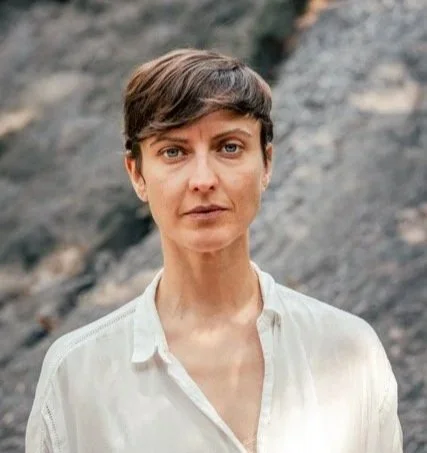
Sunday, January 11th
Meal at 1:30pm, conversation 2:00–4:00pm
Steppin’ Out Dance Studio (697 S Van Ness, SF)
We spend a lot of time writing grants and convincing people that the more money they can give us, the better our artistic work will be. Yet we all know money itself is not what makes art “good.” Let’s step outside the fundraising mindset for two hours and talk about what other aspects of our work make it better. We’ll explore our personal values as choreographers, performers, and audience members, and dig in to what makes a work meaningful beyond aesthetics or production value.
The conversation will focus on collective brainstorming starting with some of the following prompts:
What elements of your creative process make your work better?
What type of feedback have you gotten that was truly constructive?
When does feedback from others make you feel less confident about your work?
What kind of interpersonal structures might help us all be better artists?
Recap of this event:
What would an infrastructure of dance writing mean for dance in the Bay?
Facilitated by Kevin Lo
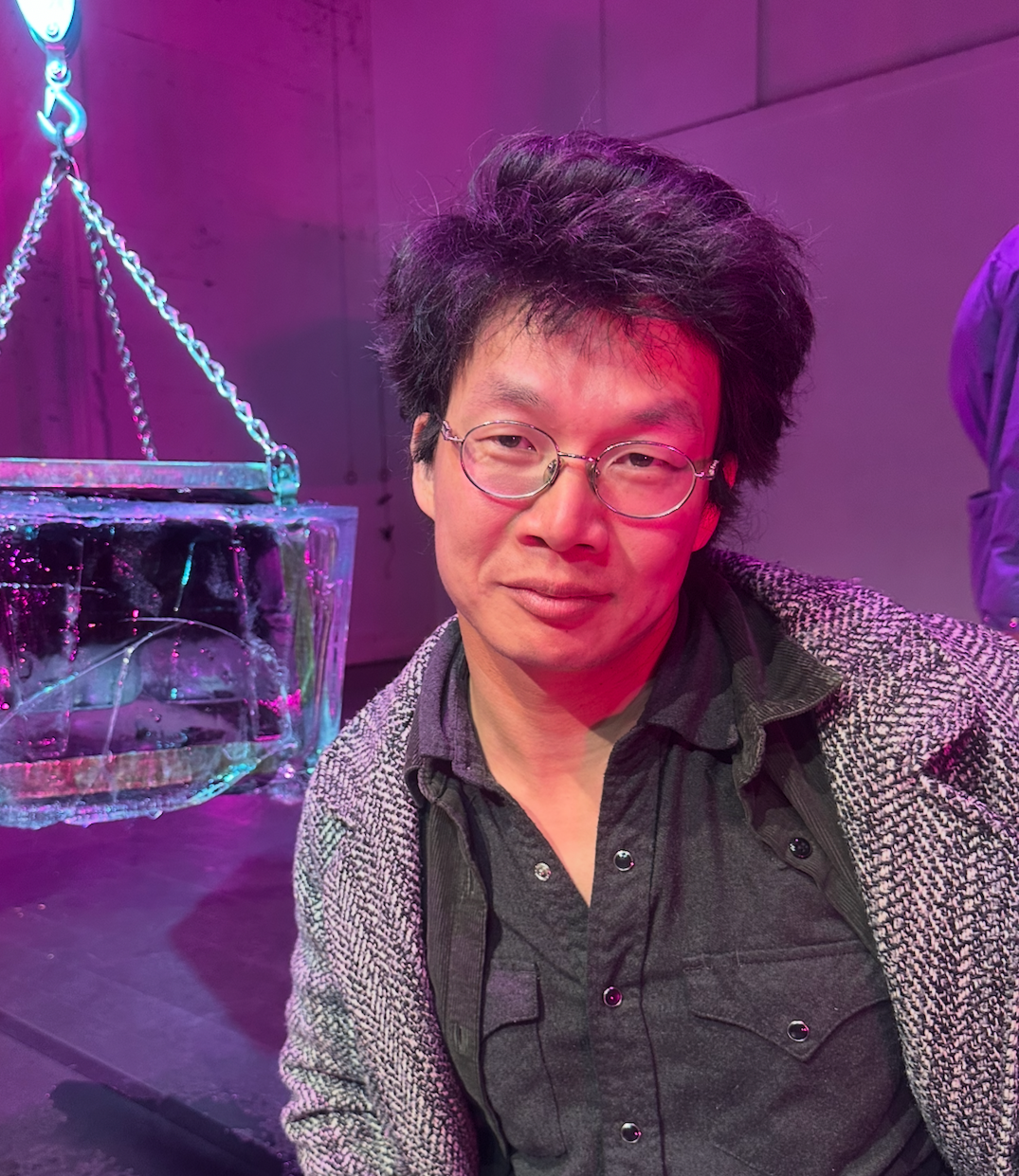
Monday, January 26th
Meal at 6:00pm, conversation 6:30–8:30pm
Steppin’ Out Dance Studio (697 S Van Ness, SF)
In the dance field, there is a common preconceived notion of writing about dance existing as review, as something that gets publicly published in the newspaper. But dance writing can be infinitely more expansive when we think about it more as a reflective or refractive practice. What does a performance provoke in you? How can continual cross-disciplinary refractions elicit interacting with each others’ work in more intentional ways?
This conversation will touch on interrogating personal motivations for writing, diminishing the pressure that comes with writing for public consumption, and brainstorming potential infrastructures that could facilitate more dance writing.
Recap of this event:
playdate
Facilitated by Rose + Zoe Huey

Saturday, February 21st
Meal at 4:00pm, conversation 4:30-6:30pm
Steppin’ Out Dance Studio (697 S Van Ness, SF)
Format:
The meal portion of this event will be held outdoors 4:00-4:30 in the parking lot adjacent to the building. Tables and folding chairs will be available. The conversation portion of this event will be masked and will be held inside the main room of the building, 4:30-6:30.
In the event of rain, the meal will be moved indoors to a separate room from the masked conversation.
Description:
Play as -
Imagination, pretending, performance, improvisation
liberation from seriousness, the need to know, perfectionism, scarcity mindset
Permission to try new things, build trust, take risks, fail, experiment, be vulnerable
Rigorous practice, a portal, a value system, a tool
Come join us in conversation as we define, remember, and reimagine the expansive possibilities of what play can be and how we can use it in our artistic practices
What is your relationship to play?
Where do you see play in the world?
Who are your teachers in play?
What is play’s role in depressurizing a creative process, and bringing in other ways of working that are more experimental?
When or how has play surprised you?
What else can play do or be?